Matter(s) of Negotiation. Bodily Techniques at Thresholds of Digital Games
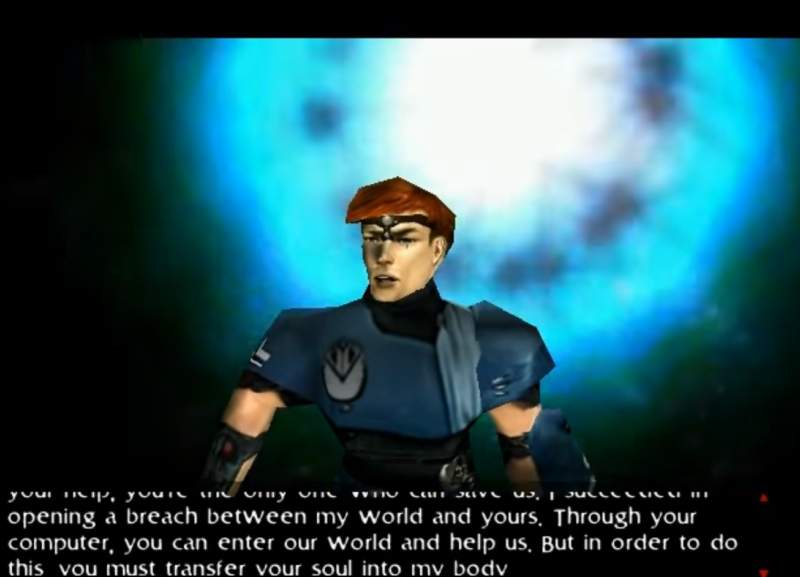
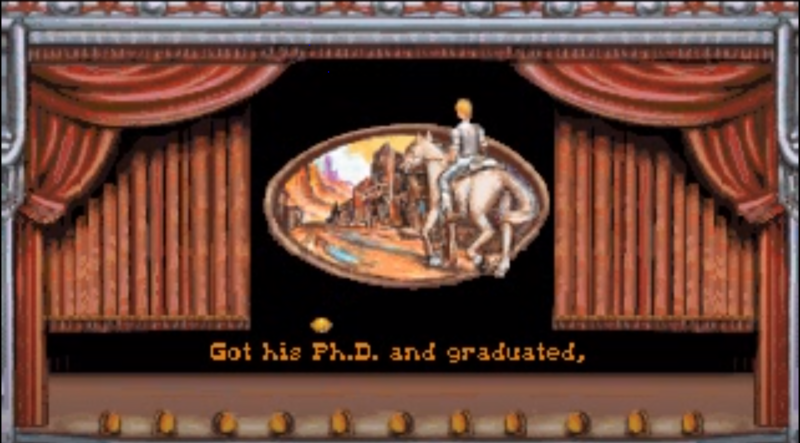
At least momentarily, making contact with video games requires dwelling on (rarely just one) threshold. Intro sequences, tutorials, character editors, control schemes or instruction manuals, tech demos, and input devices make up a small sample of such paratextual zones of contact. But what happens on the threshold? In a very basic sense: processes of mediation as well as processes of relationing. On the threshold, the rules of a game are negotiated, and narrative and gameplay logics are established; games present as short films, doll houses, or assembly kits; expectations and fantasies fueled; positions stabilized or undermined. Thresholds open spaces for and delimit possibility at the same time.
My dissertation project’s starting point is the threshold metaphor Gérard Genette uses to circumscribe paratexts. As a figure of thought, the threshold undermines binary differentiations such as inside vs. outside or game vs. non-game. The threshold makes visible narrative, gameplay, production and distribution logics – logics which rarely keep to the confines of singular media, but rather have to be understood in a wider landscape of media.
Profile
Laura Laabs is a research associate at the University of Freiburg. She teaches and conducts research at the Institute for Media Culture Studies. Her current work focuses on practices and body techniques in computer games. In her dissertation, she writes and plays with zippers, cardboard boxes, elephant trunks, faces, weather maps, mail carriers, and carrier bags, among other things. Her other interests include office and home media, haptics/tactility, embroidery art, and feminist media theory. She is part of the editorial team of Paidia. Journal for Computer Game Research. Laura Laabs was a member of the Graduiertenkolleg “Configurations of Film” from 2020 to 2023.
laura.laabs[at]mkw.uni-freiburg.de